TRT Replacement Therapy Near Me: A Helpful Guide to Nearby Men’s Health Clinics
@deaneanr336

Searching for TRT replacement therapy near me usually starts with a simple goal: feeling normal again. For many men, that search happens after months, sometimes years, of dragging through the day with low energy, reduced focus, poor recovery, lower libido, and a sense that something is off. Some chalk it up to stress or age. Others assume it is just part of getting older. Sometimes it is. Sometimes it is not.
Testosterone replacement therapy, often shortened to TRT, can be helpful for men with clinically confirmed low testosterone and symptoms that match. It can also be oversold, rushed, or managed poorly if you end up in the wrong clinic. That is why the “near me” part matters more than it might seem. You are not just looking for a storefront that offers injections. You are looking for a medical practice that evaluates your health carefully, explains trade-offs clearly, monitors treatment closely, and adjusts based on lab work and real symptoms.
A good men’s health clinic can make the process straightforward and safe. A weak clinic can turn what should be a thoughtful medical decision into a subscription product with a lab test attached. The difference is significant.
What TRT actually is, and what it is not
TRT is a medical treatment used to restore testosterone to a healthy range in men who have low levels and related symptoms. The aim is not to create a bodybuilder hormone profile or promise some dramatic reinvention. The realistic goal is to improve quality of life when low testosterone is genuinely part of the problem.
In practice, that means a physician should look at both symptoms and lab values. Low testosterone alone is not always enough. Symptoms alone are not enough either. Timing matters too, because testosterone levels can vary through the day, and morning bloodwork is often used to get a more reliable picture. In many cases, doctors want more than one test before making a diagnosis.
Men often expect TRT to work like flipping a switch. It does not. Some improvements, such as libido or energy, may begin within weeks, but body composition, strength, sleep quality, and mood can take longer. There are also cases where testosterone was only one piece of a larger issue. Sleep apnea, thyroid problems, chronic stress, medication side effects, depression, excess alcohol use, and obesity can all overlap with low testosterone symptoms.
That is one reason a serious clinic matters. You want a doctor who can tell the difference between a fixable lifestyle problem, a hormone issue, or a combination of both.
Why local access matters more than convenience
When men search for TRT replacement therapy near me, convenience is usually the obvious reason. A nearby clinic saves travel time, makes follow-up appointments easier, and simplifies routine blood draws. Those are real benefits, but proximity helps with something more important: continuity.
TRT is rarely a one-and-done decision. It involves baseline testing, a discussion of fertility plans, regular monitoring, dose adjustments, and follow-up lab work. If your hematocrit rises too high, your estradiol shifts, your blood pressure changes, or your symptoms improve only halfway, you need a clinic that can respond promptly and intelligently. A local practice makes that easier than a distant telehealth-only operation that rotates you through different providers.
There is also a practical point that patients often do not think about at the start. If your treatment plan includes injections administered in clinic, frequent travel gets old fast. Even when patients self-inject at home, they still need periodic assessments. A nearby office lowers the friction. Lower friction tends to improve adherence, and better adherence usually leads to better outcomes.
That said, local is not automatically better. A mediocre clinic ten minutes away is still a mediocre clinic. The best choice is a qualified practice that is close enough for easy follow-up and thorough enough to treat you as a patient, not a monthly payment.
The signs that often lead men to seek evaluation
The typical patient story is not dramatic. It is usually gradual. A man notices that his workouts are slipping despite consistent training. He is sleeping enough but still wakes tired. His mood is flatter. His sex drive is not what it used to be. He gains fat more easily, particularly around the midsection. He feels less resilient under stress.
Those symptoms can fit low testosterone, but they are not exclusive to it. I have seen men convinced they needed TRT when the main drivers were untreated sleep apnea and five hours of sleep a night. I have also seen men who had been told to “just exercise more” when their labs and symptoms clearly pointed to hypogonadism. Good medicine lives in that tension. It avoids both extremes.
The strongest clinics do not sell certainty before the workup. They gather history, review symptoms, ask about medications, discuss fertility goals, and order labs that help rule out other causes. That process may feel less exciting than a same-day treatment pitch, but it is usually the mark of better care.
What a strong men’s health clinic should do before prescribing TRT
One of the simplest ways to judge a clinic is to look at what happens before treatment is offered. If the entire evaluation feels rushed, that is worth noticing. TRT affects more than energy and libido. It intersects with cardiovascular risk factors, red blood cell production, prostate monitoring, fertility, and sleep quality.
A reputable clinic should review your medical history in depth. That includes past hormone use, current medications, sleep patterns, alcohol use, body weight changes, mood symptoms, and family history. Lab work often includes total testosterone and may include free testosterone, luteinizing hormone, follicle-stimulating hormone, estradiol, complete blood count, prostate-specific antigen when appropriate, and metabolic markers. SDBody Mission Hills TRT replacement therapy near me Exact panels vary by provider and patient history, but the broader principle is simple: treatment should follow a thoughtful diagnosis.
Fertility deserves special attention. This is where many younger men get surprised. Exogenous testosterone can suppress sperm production. For a man in his thirties or forties who still wants children, that conversation needs to happen before the first prescription is written, not after months on treatment.
A clinic worth trusting usually does a few key things well:
- Confirms low testosterone with appropriate testing and symptom review.
- Screens for related issues such as sleep apnea, obesity, thyroid concerns, and medication effects.
- Discusses fertility, side effects, and realistic expectations in plain language.
- Explains the treatment form, cost, follow-up schedule, and monitoring plan up front.
- Adjusts treatment based on labs and symptoms rather than using the same protocol for every patient.
That list may seem basic, but in practice it separates careful clinics from fast-volume ones.
The different ways TRT may be delivered
Nearby men’s health clinics often offer several treatment formats. Injections are common because they are generally effective, widely used, and often more affordable than some alternatives. Some patients come into the office for injections. Others are taught to self-administer at home.
Topical gels or creams can work well for the right patient, especially someone who prefers to avoid needles. They require consistency and more care around skin transfer to partners or children. Patches exist too, though skin irritation can be a deal-breaker for some men. Pellets are another option in some practices, placed under the skin and lasting for months, but they involve a minor procedure and less flexibility in quick dose adjustment.
The best choice depends on your medical history, budget, routine, tolerance for needles, and how closely you want dosing controlled. There is no universal winner. A clinic that insists one method is clearly superior for everyone is usually telling you more about its business model than about medicine.
How to evaluate a nearby clinic without getting lost in marketing
Men’s health marketing can be persuasive. Websites promise renewed vitality, sharper focus, leaner muscle, better sex, and a stronger sense of self. Some of those results are possible for the right patient. The problem is not the promise of improvement. The problem is when the evaluation and follow-up are too shallow to support that promise responsibly.
When reviewing nearby clinics, start with who is actually treating patients. Is there a licensed physician involved in diagnosis and oversight? Are follow-ups handled by a consistent provider? Does the clinic describe what labs they check and how often? Do they explain the difference between medical TRT and performance enhancement language?
You can learn a lot from the first phone call. Ask how initial evaluations work. Ask whether treatment can be started the same day and, if so, under what circumstances. Ask what monitoring looks like over the first six to twelve months. Ask whether the clinic discusses fertility before treatment begins. Vague answers are revealing.
The tone matters too. A good clinic is confident without sounding pushy. It should not make you feel as if declining treatment means you are missing out on some secret edge. It should feel like a medical conversation, not a sales funnel.
Cost, insurance, and the fine print patients often miss
TRT pricing varies more than most men expect. Some clinics are cash-pay only and bundle labs, visits, and medication into monthly plans. Others bill insurance for office visits and labs, while medication cost depends on your pharmacy coverage. A lower monthly headline number does not always mean a lower real cost. Sometimes the cheapest-looking plan excludes bloodwork or frequent follow-ups. Sometimes an expensive package includes convenience features you may not need.
It is worth asking for a complete cost picture over six months, not just the first month. Include the consultation, confirmatory labs, medication, injection supplies if needed, follow-up visits, and repeat labs. A clinic that hesitates to discuss this clearly is making it hard for you to consent fully.
Another detail patients miss is refill logistics. Controlled medication rules, pharmacy delays, holiday schedules, and required follow-up labs can all affect continuity. A local clinic with a responsive staff often handles these issues more smoothly than a distant service with slower communication.
Safety and side effects deserve a direct conversation
TRT can be beneficial, but it is not casual treatment. Side effects and risks need to be discussed in specific terms, not brushed aside.
One common monitoring issue is increased hematocrit, which means a higher concentration of red blood cells. If it rises too much, some patients need dose adjustment or further evaluation. Acne, oily skin, breast tenderness, fluid retention, and shifts in mood can occur. Sleep apnea can worsen in some men, especially if it already exists and is untreated. Fertility suppression is a major concern for men who want children. Prostate monitoring may also be part of care depending on age, risk factors, and symptoms.
The point is not to create fear. It is to make sure the clinic treats TRT like real medicine. The men who do best on testosterone therapy are often the ones managed with patience and discipline. They keep appointments, do the lab work, report side effects honestly, and work with a clinician who is willing to fine-tune rather than overreact.
What the first few months usually feel like
This is where expectations need calibration. Patients often arrive hoping to feel dramatically different in a week. Sometimes libido improves quickly. Sometimes energy starts to rise after a few weeks. Sometimes the first month feels uneven, especially if the initial dose or delivery schedule is still being optimized.
I have heard men describe the early phase as encouraging but subtle. They notice better recovery after workouts, more stable energy in the afternoon, less brain fog during meetings, and more interest in intimacy. Others notice sleep improvement first. A few feel almost nothing at the beginning and need the dose or schedule reassessed after labs. This is normal. Hormone care is not instant gratification medicine.
The most useful mindset is to TRT replacement therapy near me track patterns, not daily fluctuations. One bad day does not mean treatment failed. One great gym session does not mean everything is perfect. Better clinics often ask how you are functioning across work, sleep, training, mood, and sexual health, not just whether you “feel better.”
Red flags that should make you pause
Some warning signs show up early if you know where to look. They do not always mean a clinic is unsafe, but they do justify caution.
- You are offered testosterone after minimal testing or a rushed conversation.
- Nobody asks whether you want future fertility.
- The clinic promises extreme muscle gain, rapid transformation, or guaranteed results.
- Follow-up labs and monitoring are vague or treated as optional.
- Pricing is easy to start but hard to understand over time.
One or two rough edges can happen in any practice. A pattern of shortcuts is different. If your instinct says you are being sold to more than cared for, trust that reaction and keep looking.
Local clinic vs telehealth, and when each makes sense
Telehealth has made hormone care easier to access, especially for men in rural areas or those with packed work schedules. There is real value in that. For patients who live far from a qualified men’s health clinic, a reputable telemedicine program can be a reasonable option, provided it uses proper testing, consistent follow-up, and accessible providers.
Still, local clinics have advantages. Physical exams are simpler. Bloodwork coordination is often smoother. Questions can get answered face-to-face. If something changes quickly, such as blood pressure issues, injection technique problems, or concerning side effects, in-person care can reduce delays.
For many men, the ideal situation is not a strict either-or. It is a hybrid arrangement where local labs and occasional in-person assessments support regular remote follow-up. If you are specifically searching for TRT replacement therapy near me, it probably means convenience and accountability matter to you. That instinct is usually a good one.
Questions worth asking at your consultation
The first appointment should feel like a two-way evaluation. The clinic is assessing your health, but you are also assessing whether this team deserves your trust. A few focused questions can reveal a lot quickly.
How do you confirm low testosterone before treatment starts? What labs do you repeat, and how often? How do you handle fertility concerns? Which treatment forms do you usually recommend, and why? What happens if symptoms improve only partially or side effects appear?
The quality of the answers matters more than the exact words. Good providers explain their reasoning. They acknowledge uncertainty where it exists. They do not hide behind jargon. You should leave understanding the plan, the monitoring schedule, and the realistic range of outcomes.
The role of lifestyle, even when TRT is appropriate
One of the more frustrating myths around testosterone therapy is that it replaces the need for basic health habits. It does not. Men who sleep poorly, drink heavily, skip resistance training, eat inconsistently, and carry untreated stress into every week are not setting themselves up for the best response.
The strongest outcomes usually come when TRT is part of a broader health strategy. Resistance training supports muscle retention and insulin sensitivity. Adequate protein matters. Sleep matters more than most patients realize. Body fat reduction can improve hormone balance and symptom burden even apart from TRT. Managing sleep apnea, if present, can change everything.
A good clinic will not shame you about lifestyle, but it also will not pretend hormones solve every problem. If a provider ignores sleep, weight, blood pressure, and metabolic health entirely, that is a narrow form of care.
Finding the right fit in your area
When men search for nearby men’s health clinics, they are usually comparing websites, reading reviews, and trying to decode medical promises from marketing language. The smartest approach is to narrow the field to a few clinics, call each one, and compare how they handle the basics: diagnosis, follow-up, costs, and communication.
Reviews can help, though they need interpretation. Look for specifics rather than star counts alone. Comments about staff responsiveness, clear lab explanations, and thoughtful follow-up are usually more useful than generic praise. A clinic with fewer but more detailed reviews may tell you more than one with a wall of vague enthusiasm.
Ultimately, the right clinic is not necessarily the flashiest one or the cheapest one. It is the one that treats TRT as a serious, individualized medical decision. If you are typing TRT replacement therapy near me into a search bar, that is a reasonable place to start. The better goal is not just proximity. It is informed, careful care that you can sustain over time.
For men who truly have low testosterone, treatment can be worthwhile and life-improving. Energy can return. Training can feel productive again. Libido can improve. Mood and focus can steady. But those gains tend to come from good diagnosis, realistic expectations, and consistent monitoring, not from hype. The clinic you choose is a large part of that equation.
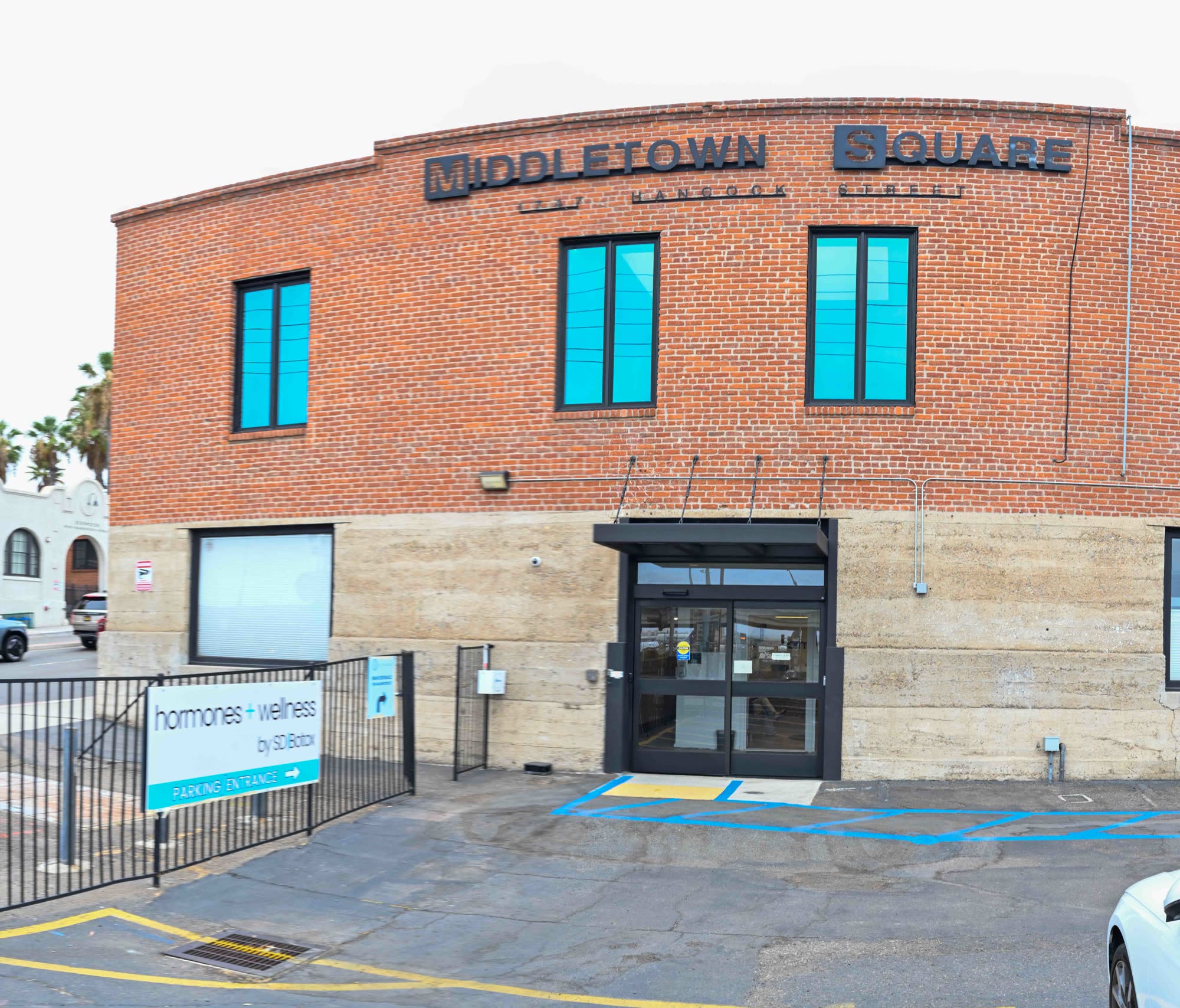
SDBody Mission Hills
Address: 1747 Hancock St Ste C, San Diego, CA 92101
Phone: (619) 772-0252
FAQ About TRT replacement therapy near me
How do I know if I need testosterone replacement therapy?
A clinician evaluates your symptoms and medical history and usually checks testosterone on two separate mornings. Consistently low levels and compatible symptoms help guide the decision.
What monitoring is needed during testosterone replacement therapy?
Follow-up usually includes a review of symptoms, testosterone levels and red blood cell counts. Your clinician may recommend additional monitoring based on your health history.
Can testosterone replacement therapy affect fertility?
Prescribed testosterone can reduce sperm production. Tell your clinician if you plan to have children so you can discuss your options before starting treatment.