How to Prepare for a Consultation for TRT Replacement Therapy Near Me
@deaneanr336
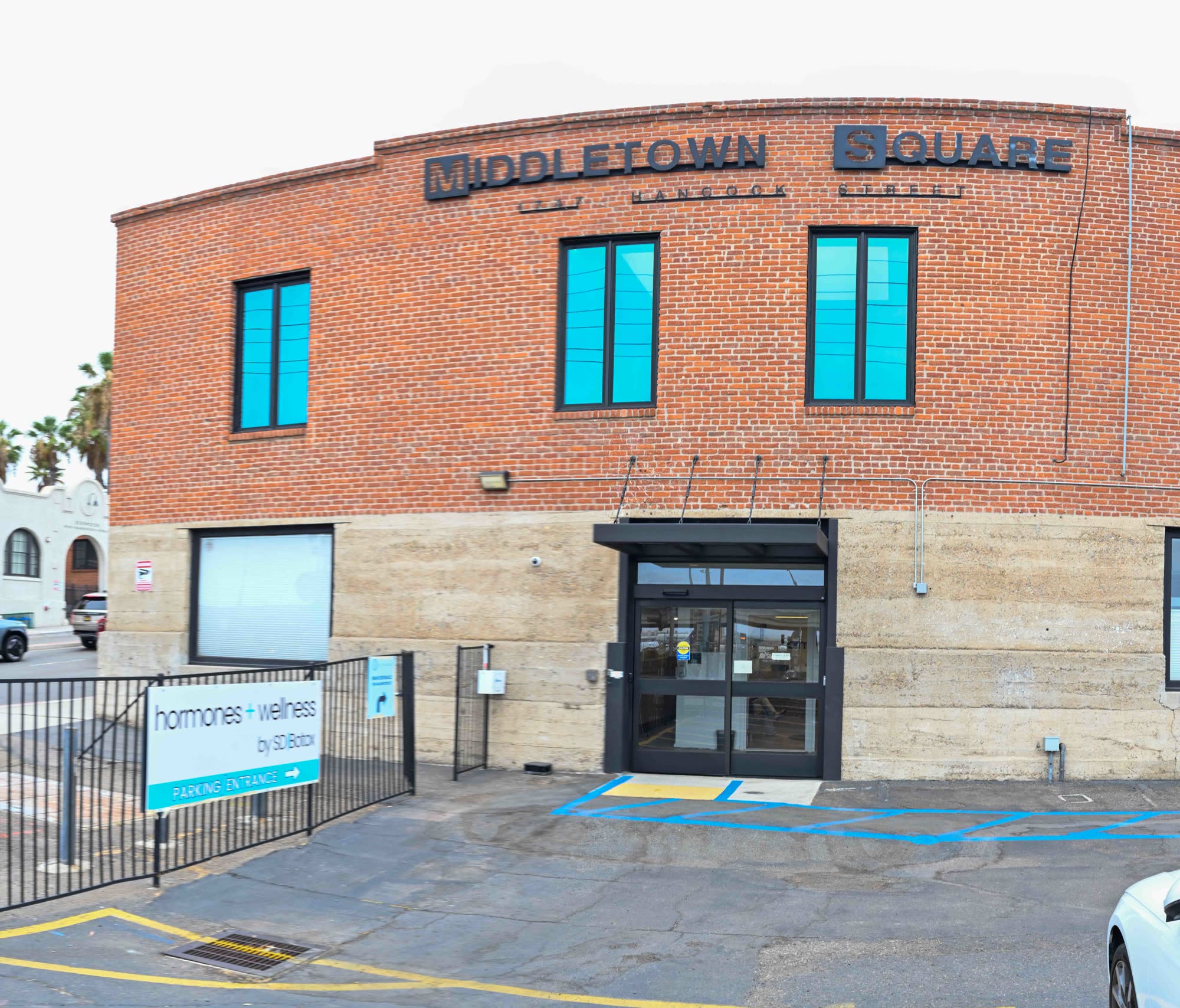

Searching for TRT replacement therapy near me usually starts with a simple goal: you want answers about low testosterone, and you want them from a real clinician, not a forum thread or a supplement ad. By the time most men book that first consultation, they have often spent months second-guessing themselves. They feel more tired than usual, their workouts are flat, libido has changed, sleep is off, mood is less steady, or recovery just does not look the way it used to. Some are in their late 30s or 40s. Others are older. A few are younger men with very specific medical issues. What they have in common is uncertainty.
A consultation for testosterone replacement therapy is not just a quick prescription visit, or at least it should not be. A good one is part medical evaluation, part reality check, and part planning session. The clinician is trying to answer several questions at once: are your symptoms consistent with low testosterone, do your lab values support that picture, could something else explain what is going on, and if TRT is appropriate, what kind of treatment plan fits your health history and goals?
Preparation matters because it shapes the quality of that conversation. When a patient arrives with a clear symptom timeline, relevant records, honest lifestyle details, and realistic expectations, the visit tends to be more useful. It becomes easier to separate marketing claims from sound medicine.
Start by getting clear on why you are going
Men often say, “I think my testosterone is low,” but that is only the surface of the issue. Before your consultation, spend a little time putting the bigger picture into words. What changed, when did it start, and what has it affected?
That may sound simple, but symptoms connected to testosterone can overlap with a long list of other causes. Poor sleep, especially sleep apnea, can leave someone exhausted, foggy, and less interested in sex. Chronic stress can flatten mood and drive. Weight gain can lower energy and alter hormone balance. Depression can change motivation, concentration, and libido. Certain medications can do the same. Heavy alcohol use, overtraining, and calorie restriction can also distort the picture.
A useful way to think about your consultation is this: you are not showing up to prove that you need TRT. You are showing up to help the clinician understand what is happening. That mindset tends to lead to a better outcome, whether the answer is testosterone therapy, treatment for another issue, or a decision to watch and retest.
Write down your symptoms like a timeline, not a guess
One of the most practical things you can do before the appointment is create a short symptom history. Not a dramatic one, and not a one-line summary. A straightforward timeline is best.
If your energy dropped noticeably about a year ago, note that. If your strength in the gym has been declining for six months despite training the same way, include it. If morning erections became less frequent, if your sex drive changed, if you have had more irritability, trouble focusing, or slower recovery after exercise, write that down too. Be specific where you can.
A patient who says, “I feel off,” gives the clinician very little to work with. A patient who says, “For about eight months I have had lower libido, more afternoon fatigue, and less training recovery, even though my sleep schedule has not changed much,” gives a much clearer clinical picture.
You do not need to turn this into a diary, but it helps to note whether symptoms are constant or inconsistent. That difference matters. Some men feel bad across the board. Others mainly notice problems after poor sleep, periods of stress, or weight gain. Patterns can reveal a lot.
Gather previous lab work, even if it seems unrelated
If you have had blood work done in the past year or two, bring it or upload it ahead of time if the clinic allows. This includes testosterone labs, but it should not stop there. Thyroid panels, blood counts, metabolic labs, lipid results, liver markers, and A1C can all provide useful context.
Many men assume the appointment hinges on one number, total testosterone. It does matter, but good care rarely depends on a single isolated result. Testosterone levels can vary based on time of day, sleep, acute illness, calorie intake, and even training load. A thoughtful clinician usually wants to look at the broader landscape.
Past records also help avoid confusion. I have seen plenty of cases where someone remembered being “borderline low,” but the lab from a year earlier was taken in the afternoon after a poor night of sleep. I have also seen the opposite, where a patient dismissed a prior result because he felt embarrassed by the number, only to discover later that the pattern was consistent across multiple tests.
If you have records from a primary care doctor, endocrinologist, urologist, fertility specialist, or sleep specialist, those can all be relevant. Bring them.
Expect questions about sleep, weight, medications, and alcohol
A serious TRT consultation often spends more time on lifestyle and medical background than patients expect. That is a good sign, not a detour.
Sleep deserves special attention. If you snore heavily, wake up unrefreshed, fall asleep easily during the day, or your partner has noticed breathing pauses, mention it. Untreated sleep apnea is common and can contribute to symptoms that mimic low testosterone. It can also complicate TRT management. In some cases, identifying and treating sleep apnea changes the entire plan.
Weight changes matter too. Gaining abdominal fat over several years is not just cosmetic. It can affect hormone balance, insulin sensitivity, inflammation, and energy. Men often notice the symptoms first and only later connect them to a steady change TRT replacement therapy near me in body composition.
Medication history is another area where details count. Opioids, some antidepressants, steroids, anti-anxiety medications, and certain hair loss treatments can all influence hormones, sexual function, or energy. Alcohol intake matters for similar reasons. A few drinks on weekends is one picture. Heavy nightly drinking is another.
You are not being judged when these questions come up. The clinician is trying to avoid treating the wrong problem.
Be ready to talk honestly about fertility
This is one of the biggest issues men fail to raise until it is too late. If you want children in the future, or even think you might, say so at the first visit.
Testosterone replacement therapy can suppress sperm production. That does not mean every man becomes infertile forever, but it absolutely means fertility needs to be part of the discussion before treatment starts. In practice, this is where rushed clinics often expose themselves. If the conversation jumps straight from symptoms to prescription without covering fertility, that is not careful medicine.
For some men, preserving fertility may mean a different treatment strategy, a referral, more testing, or a decision to delay TRT while other options are considered. Even if you are not trying to conceive right now, the next few years matter. It is better to have an awkward conversation early than a much harder one later.
Know what questions to bring with you
The strongest consultations are collaborative. You do not need to arrive with a stack of internet printouts, but you should have a short list of questions that matter to you.
- What testing do you use to confirm whether TRT is appropriate?
- How do you evaluate causes other than low testosterone?
- What treatment forms do you prescribe, and why would you choose one over another?
- How often do you monitor labs and symptoms after starting treatment?
- How do you handle fertility concerns, side effects, and dose adjustments?
Those five questions alone can tell you a lot about the quality of the clinic. A provider with a solid process will answer directly, explain trade-offs, and avoid turning the conversation into a sales pitch.
Understand what the clinician may evaluate
Some patients walk in expecting only a testosterone level check. A better consultation looks at symptoms, exam findings, lab data, risks, and goals together.
Depending on the setting, the clinician may review total testosterone, free testosterone, sex hormone-binding globulin, luteinizing hormone, follicle-stimulating hormone, estradiol, complete blood count, prostate-specific antigen when appropriate, thyroid markers, metabolic markers, liver enzymes, and more. Not every patient needs every lab, and practices vary, but the broad principle is the same: low testosterone should be evaluated in context.
The distinction between primary and secondary causes may come up. In plain terms, the issue may lie more in the testes, more in the signaling from the brain, or in a mixed picture. That matters because it shapes both diagnosis and treatment planning.
Age also changes the conversation. A man in his late 20s with symptoms and low levels deserves a different workup than a man in his late 50s with long-standing metabolic issues and consistent borderline readings. Neither case is simple. They are just different.
Do not chase a number without thinking about the whole patient
Online discussions about testosterone often reduce everything to lab thresholds. Real practice is less neat. Some men with levels on the lower end of normal feel significantly symptomatic. Others with similar numbers do not. Some have obvious reversible drivers. Others have a clearer case for therapy.
This is where experience and restraint matter. Good clinicians do not treat paper alone, and they do not ignore it either. They ask whether the history, physical findings, and lab pattern fit together. They also ask whether treatment is likely to improve the issues you actually care about.
That last point gets missed often. If your main problem is chronic sleep deprivation from a rotating shift job, TRT is unlikely to fix your life. If your symptoms line up strongly with hypogonadism and repeated testing supports it, treatment may help considerably, but even then it is not magic. It can improve energy, libido, body composition, and sense of well-being in appropriate patients, yet it still works best when the basics are handled alongside it.
Be realistic about what TRT can and cannot do
A prepared patient understands the promise and the limits of therapy. TRT is not a shortcut to looking 25 again. It is also not a universal treatment for low mood, poor discipline, stalled fat loss, or a bad training program.
What it can do, in the right patient, is restore testosterone to a healthier range and relieve symptoms that truly stem from deficiency. Men sometimes notice better sexual function, stronger drive, improved energy, better recovery, and easier maintenance of lean mass. The timing varies. Some effects show up within weeks. Others take longer. Body composition changes, for example, usually require time and a consistent lifestyle.
There are trade-offs. Monitoring is part of the deal. Dose adjustments are common early on. Side effects can occur. Blood counts may rise. Acne can flare. Mood and fluid balance can shift. Fertility can be affected. Costs vary depending on the clinic, medication, delivery method, and lab schedule.
If a clinic presents TRT as effortless, instant, and risk-free, that should make you cautious.
Prepare for a discussion about treatment format
Not every TRT plan looks the same. Injections, gels, creams, and other forms each have practical differences. Some men prefer the routine and cost profile of injections. Others prefer avoiding needles, even if a topical comes with daily application and transfer precautions. There is no single best option for everyone.
This part of the visit goes better when you know your own habits. If you are very structured and comfortable self-administering medication, one format may fit. If your schedule is chaotic, or you travel constantly, another may make more sense. If you live with a partner or young children, daily skin transfer issues may matter. If you hate frequent clinic visits, that matters too.
The right choice is not just about pharmacology. It is about fit.
Bring a practical health snapshot to the appointment
You do not need a binder full of records, but you should bring the basics in organized form. This saves time and reduces gaps in the history.
- A list of current medications, supplements, and doses
- Any past hormone labs or recent blood work
- A brief symptom timeline with start dates and major changes
- Relevant diagnoses, surgeries, or sleep study results
- Your questions, written down so you do not forget them
Patients who do this tend to have far more productive visits. They also make it easier for the clinician to spot missing information early rather than after treatment decisions have already been discussed.
Watch for signs of a careful clinic versus a fast one
When people search for TRT replacement therapy near me, they often find a mix of legitimate medical practices, wellness brands, telemedicine operations, and aggressive marketing funnels. Some are excellent. Some are not.
A careful clinic usually asks enough questions to slow the process down a little. That can feel inconvenient, but it is often exactly what you want. They explain why certain labs matter. They ask about fertility. They discuss monitoring. They do not promise that everyone with fatigue needs testosterone. They talk about alternatives and contributing factors.
A fast clinic tends to frame the whole experience around convenience and symptom relief, with minimal discussion of complexity. Sometimes the red flag is not what they say, but what they skip. If nobody asks about sleep apnea, future children, medication interactions, or baseline blood work beyond the bare minimum, pay attention.
Professionalism also shows up in follow-up structure. Ask how they handle check-ins after therapy begins. If the answer is vague, that matters.
Consider what success would actually look like for you
Before the consultation, define success in concrete terms. “I want better testosterone” is not a goal. “I want to stop crashing every afternoon,” “I want my libido back,” “I want to recover from training like I used to,” or “I want my focus at work to improve” are goals.
This helps in two ways. First, it makes the consultation more specific. Second, it gives you a more honest way to evaluate treatment later. Men who expect a dramatic overnight transformation are often disappointed, even when therapy is medically appropriate and working. Men who track practical improvements tend to judge progress more accurately.
It also helps the clinician set expectations. If your priority is sexual function, the conversation may focus differently than if your priority is gym performance or long-term vitality.
Do not overlook the basics just because hormones are involved
Testosterone has a way of making every health complaint feel hormone-related. Sometimes that instinct is right. Sometimes it distracts from the obvious.
If you sleep five and a half hours a night, eat inconsistently, sit TRT replacement therapy near me all day, drink heavily on weekends, and have not had a real primary care evaluation in years, then the consultation should probably include a hard look at those issues. That does not mean your symptoms are imagined. It means hormones live inside a larger system.
The strongest TRT outcomes usually happen when treatment, if needed, is layered onto decent fundamentals. Adequate sleep, resistance training, protein intake, weight management, and a realistic stress load all matter. They matter before treatment and after it.
I have seen men with modestly low readings feel much better once sleep apnea was treated and weight started moving in the right direction. I have also seen men with clear hypogonadism benefit substantially from TRT, but only after they stopped expecting the medication to outrun every other bad habit. Both scenarios are common.
What to do the day before and the morning of the visit
There is no need to overcomplicate the final stretch, but a few small decisions can make the consultation smoother. Confirm the appointment time and whether the clinic expects fasting labs or morning blood work. If you have prior records in a portal or email chain, make sure you can access them easily. Bring insurance information if the practice uses it, along with a photo ID and payment method if needed.
If you are getting blood drawn, follow the clinic’s instructions rather than internet advice. In general, testosterone testing is often most useful in the morning, but your clinician may have a specific protocol. Do not try to game the result by changing your routine in extreme ways. Skipping sleep, crushing a workout, fasting unnecessarily, or taking random supplements to influence the numbers only muddies the picture.
Show up ready for an honest conversation, not a performance.
The best preparation is accuracy
The point of preparing for a TRT consultation is not to become your own endocrinologist. It is to arrive with enough clarity that the clinician can do good medicine. Clear symptoms, relevant records, realistic goals, and honest answers create a stronger starting point than any online checklist ever will.
If you are searching for TRT replacement therapy near me, you are probably looking for more than convenience. You want someone who will listen carefully, assess thoroughly, and explain the next step without hype. Preparing well helps you identify that kind of practice, and it gives you a better chance of leaving the consultation with an answer you can trust.
SDBody Mission Hills
Address: 1747 Hancock St Ste C, San Diego, CA 92101
Phone: (619) 772-0252
FAQ About TRT replacement therapy near me
How do I know if I need testosterone replacement therapy?
A clinician evaluates your symptoms and medical history and usually checks testosterone on two separate mornings. Consistently low levels and compatible symptoms help guide the decision.
What monitoring is needed during testosterone replacement therapy?
Follow-up usually includes a review of symptoms, testosterone levels and red blood cell counts. Your clinician may recommend additional monitoring based on your health history.
Can testosterone replacement therapy affect fertility?
Prescribed testosterone can reduce sperm production. Tell your clinician if you plan to have children so you can discuss your options before starting treatment.